Step 5 of five
A Corner Named for a Building That Went
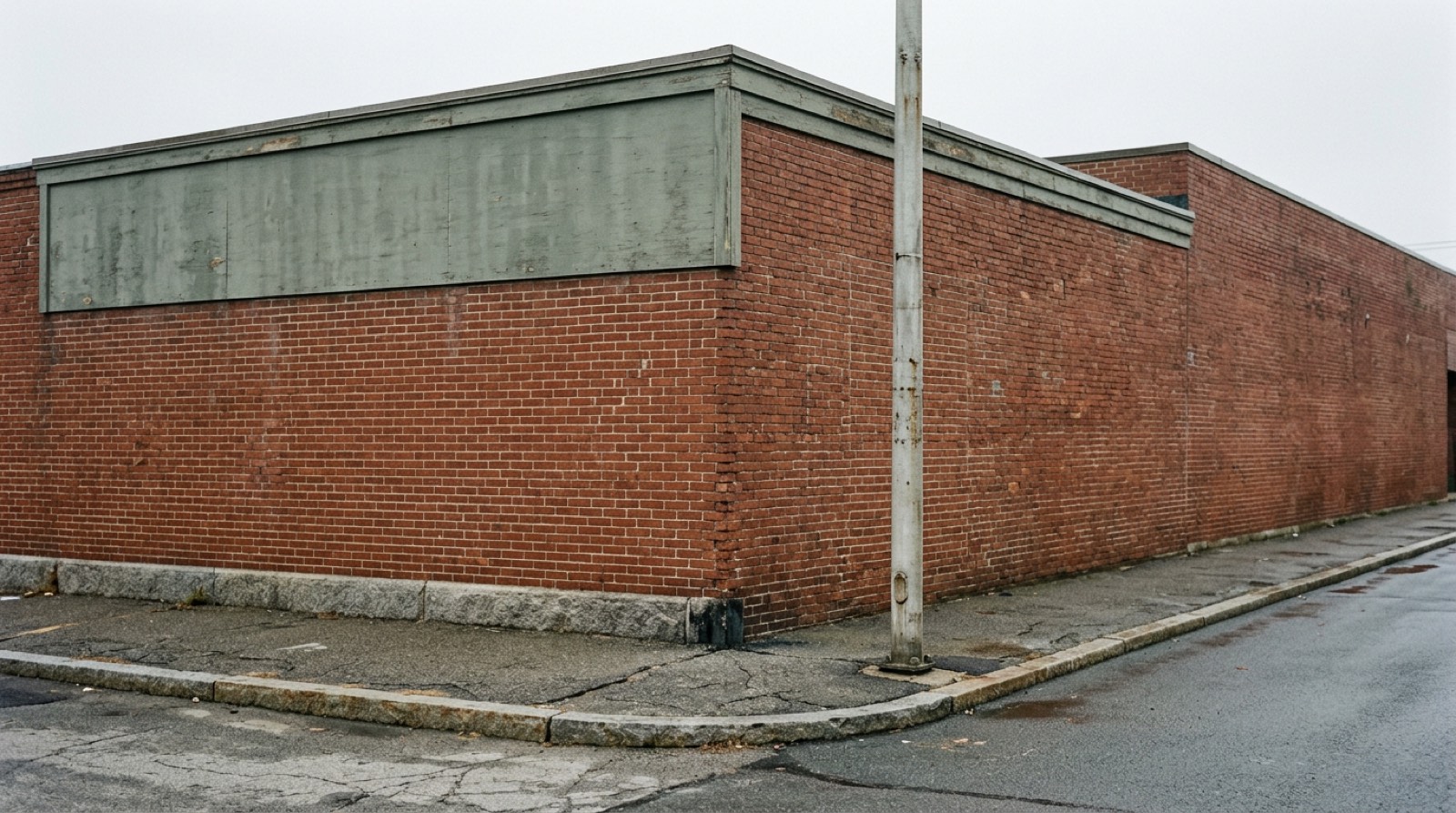
The last step. No fabric of any kind, and a name that everybody still uses for a corner where the thing it names has not stood within living memory for most people using it.
The five questions
| What it was built to do | A large commercial building on the corner, prominent enough that people arranged to meet outside it. |
|---|---|
| What happens there now | A different building, a different use, a different century, and the same name in ordinary conversation and on a bus stop. |
| What you can still read off it | Nothing on the ground. The evidence is entirely in speech, in a stop name, and in the way directions are given by people who have lived here a long time. |
| Where you can stand to see it | Stand at the corner and listen. This is the only entry in this paper where the instruction is not visual. |
| What has gone for good | All of it. The building, its replacement, and in one case the replacement's replacement. |
Names are the least expensive thing to keep
A name costs nothing to carry forward and something to change. Signs get replaced on a cycle, and the least expensive sign is the one that repeats what the last sign said.
So the name outlives the fabric, sometimes by a century, and it keeps being handed to people who have no idea it refers to anything. That is not a failure of memory. It is a name doing the one job a name has.
Three kinds of surviving name
- A stop or a station. The most durable, because transit names are administrative and get copied forward through every system change.
- A corner in speech. Durable while the people who used it are still here, and then it goes quickly.
- A block or a district. Most durable of all, because it gets written into addresses and then into records.
The first and third can be checked. The second cannot, which is why we treat it as evidence and not as fact, and why this entry names no name.
Why this entry names nothing
Because a name in speech is unverifiable from a desk, and printing one would turn a thing we were told into a thing this paper asserts.
The disclaimer says the general version: nothing here is a claim about a named place or business. On this entry the rule has real teeth, because the name is all there is and naming it would be the whole content.
What we can do instead is tell you how to find out, which is the next section.
Finding out
- Ask somebody over seventy at the bus stop. This works far better than it has any right to.
- Old street directories in a public library, listed by address, will give you the occupant of that corner for any year they cover.
- Fire insurance atlases give you the footprint, construction and often the use, in color, by block.
- The city assessor's records give you dates of demolition and construction, and they are public.
None of that is specialist work. All of it is a free afternoon indoors, which makes this the one entry in the paper that is better in bad weather.
Practical
- Nothing to see and nothing to trespass on. Stand on the sidewalk.
- Bring the question rather than the camera.
- Best done at a stop, at a time when people are waiting.